If your electric bills keep climbing or your home feels ready for solar, the next step is getting a system designed for your property, not someone else’s. A roof age, shade pattern, power usage, and backup goals all affect whether solar panel installation makes sense for your home.
The American Solar Association helps homeowners across Orlando, Florida review those details, compare system options, and move from interest to a complete residential solar plan. We handle solar sales and installation, plus the technical steps that carry a project from consultation through activation.
Solar fit check
Not every home needs the same size system or the same equipment mix. Before installation begins, we look at the details that shape your options so the system matches your property and your energy goals.
- Roof space: Enough usable area for the number of panels your home may need.
- Shading: Trees, roof angles, and other shade sources that can affect panel output.
- Energy use: Household consumption patterns that help guide system sizing.
- Utility rates: The way your current power costs influence the value of solar.
- Future plans: Whether you want battery storage, a larger system, or added monitoring.
For many Orlando homeowners, the goal is not simply to add panels. It is to build a system that supports a clear outcome, whether that means lowering utility dependence, storing energy, or planning for a home that uses power more efficiently.
Installation path
Solar panel installation follows a sequence, and each step matters. When homeowners understand the process, it becomes easier to decide what type of system fits the home and what needs to happen before panels go on the roof.
- Initial consultation: We review your home, goals, and current energy use.
- System design: The layout and equipment plan are shaped around your property.
- Permitting: Project documents are prepared for the required local review process.
- Installation: Panels, inverters, and related system components are installed.
- Inspection and activation: The system moves through final checks and is prepared for use.
That process may sound technical, but the purpose is simple: make sure the system is suitable for the property and ready for real-world use. The American Solar Association stays involved through each stage so homeowners have one place to turn for guidance.
Roof and ground options
Most homeowners think first about rooftop solar, but rooftop and ground-mounted layouts can each serve a different kind of property. The right choice depends on available space, exposure, and the physical layout of the home.
Rooftop systems
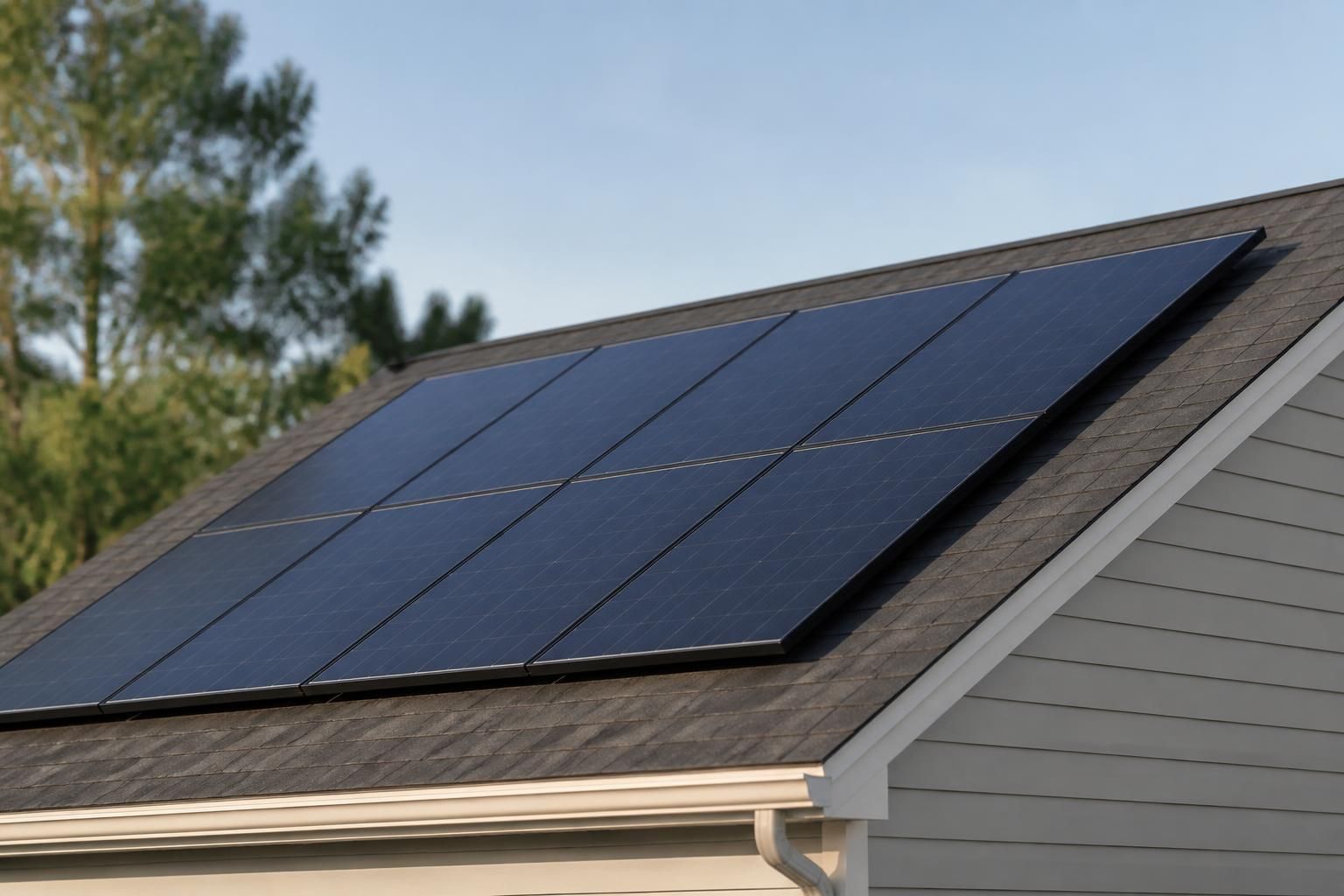
Rooftop solar is often a natural fit when the roof has enough clear space and the panel layout can capture strong sun exposure. It uses the structure your home already has, which can make it a practical option for many properties.
Ground-mounted systems
Ground-mounted solar may be a better fit when roof space is limited or the property layout supports a separate installation area. These systems can offer flexibility in panel positioning and access, depending on the site.
We help homeowners compare both options with the actual property conditions in mind. The goal is not to push one setup for every home, but to determine which arrangement aligns with the space and the energy goals you bring to the table.
What affects design
Solar panel installation works best when design decisions are based on real data from the home, not a generic package. Good system design helps homeowners understand what the installation is likely to produce and how it connects to their daily power use.
Equipment choices
Panels, inverters, and battery components can vary by project. We explain available equipment configurations so you can compare how each piece supports your home’s energy plan.
Energy goals
Some homeowners want to offset a portion of utility use. Others want to prepare for storage, resilience during outages, or a more complete solar setup. Your goal changes the system recommendation.
Utility factors
Rates, program details, and other utility-related factors can shape how solar performs economically over time. We help homeowners understand the pieces that matter before they commit to installation.
Battery backup options
Solar panels can produce power during the day, but many homeowners also want a way to store energy for later use. That is where battery storage can become part of the conversation.
Battery backup and energy storage can help homeowners who want more resilience during power outages or who want to capture more of the energy their system produces. Available configurations depend on the property and the program, so we review what fits each home rather than forcing a one-size-fits-all answer.
- Store excess solar production: Use more of the energy your system generates.
- Support outage readiness: Add another layer of household energy resilience.
- Match usage patterns: Align stored power with the times your home needs it most.
For some homeowners, solar alone is enough. For others, storage is the piece that makes the system feel complete. We help you compare both paths with your actual household needs in mind.
Monitoring and support
After installation, homeowners still need a clear view of how the system is performing. Solar monitoring helps you understand production and spot changes that may affect output.
Monitoring can be especially useful when you want to see how the system responds across seasons, household usage patterns, or equipment changes. It also gives homeowners a practical way to stay informed without needing to guess whether the system is delivering what was planned.
The American Solar Association also supports homeowners through inspection and system activation, so the project does not end when the panels are mounted. We stay focused on helping the system move from plan to use.
Why homeowners call
Homeowners contact us for different reasons, but many are trying to solve one of a few common problems: high utility dependence, unclear system options, or uncertainty about whether their property is a good fit for solar. A consultation helps turn those questions into a workable plan.
If you are considering solar panel installation, it helps to have a structured review rather than trying to piece together answers from multiple sources. We can help you understand the relationship between roof layout, power use, system size, and the equipment options available for your home.
For homeowners across Orlando and surrounding Central Florida communities, the conversation often starts with a simple question: does solar make sense here? From there, we work through the details that determine what a successful installation should look like.
Service area
The American Solar Association serves homeowners across Orlando, Florida and surrounding Central Florida communities, including Winter Park, Kissimmee, Sanford, Altamonte Springs, Apopka, Lake Mary, Oviedo, Clermont, Ocoee, Winter Springs, St. Cloud, and Winter Garden.
If you are comparing solar options for a home in this region, we can walk you through the process and help you evaluate whether a custom installation is the right move for your property.
Common questions
How do I know if my home is a good candidate for solar?
That depends on your roof or ground space, shading, energy use, and the goals you want the system to support. A consultation helps sort out those details for your specific property.
Can solar be installed on a roof or on the ground?
Yes. Rooftop and ground-mounted options may both be available, depending on your property layout and the project design.
What happens before installation starts?
We begin with a consultation, then move into system design and the permitting process before installation is scheduled.
Can I add battery storage to my solar project?
Yes. Battery backup and energy storage can be part of the plan if your home and goals make that a good fit.
Will solar monitoring be part of the system?
Solar monitoring is available and can help you track system performance after installation and activation.
What if I am still comparing options?
That is a good place to start. We can review your property, talk through your energy goals, and explain the solar and storage options that may work for your home.
If you are ready to talk about solar panel installation in Orlando, Florida, The American Solar Association can help you move from questions to a clear plan.
 Google Reviews