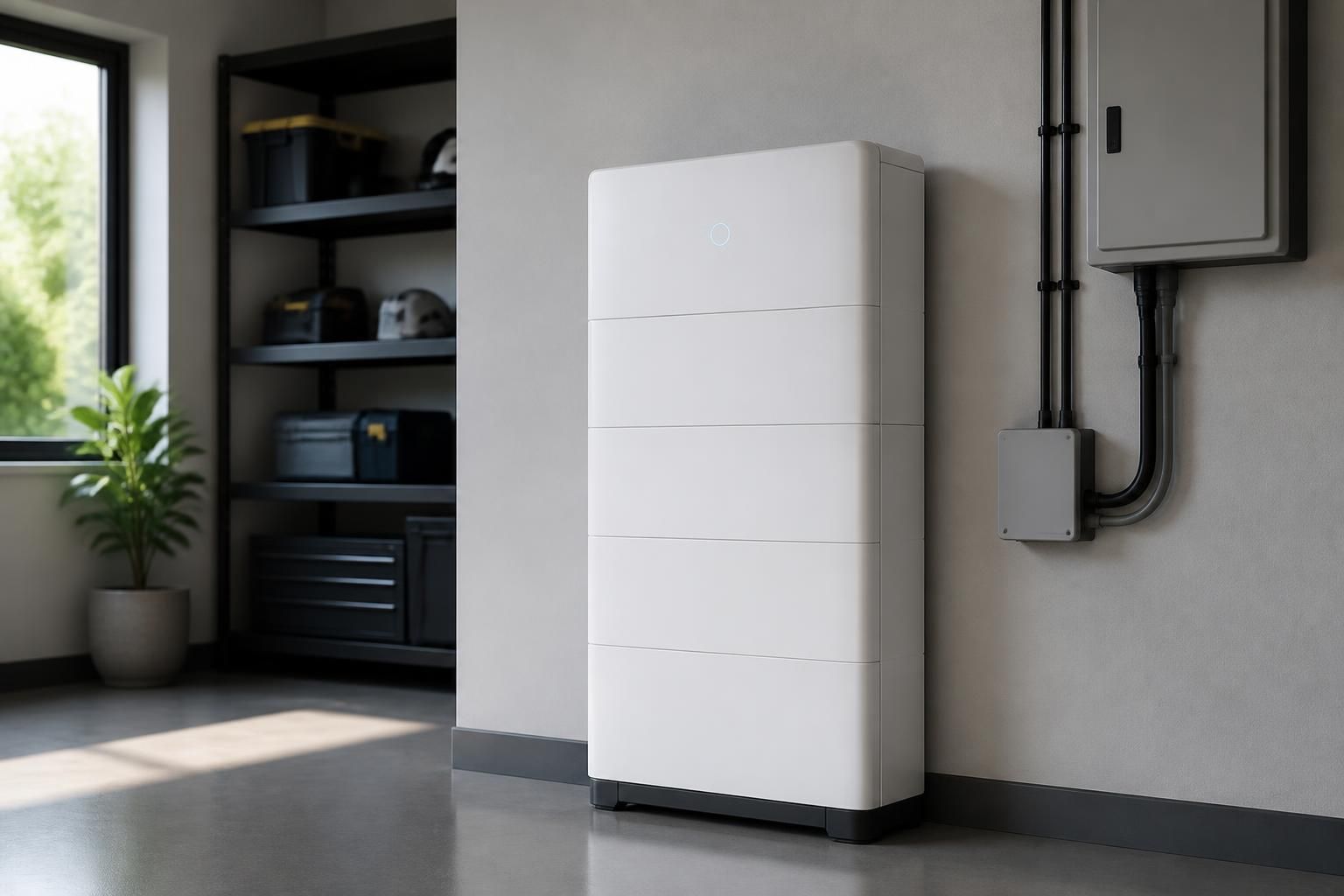
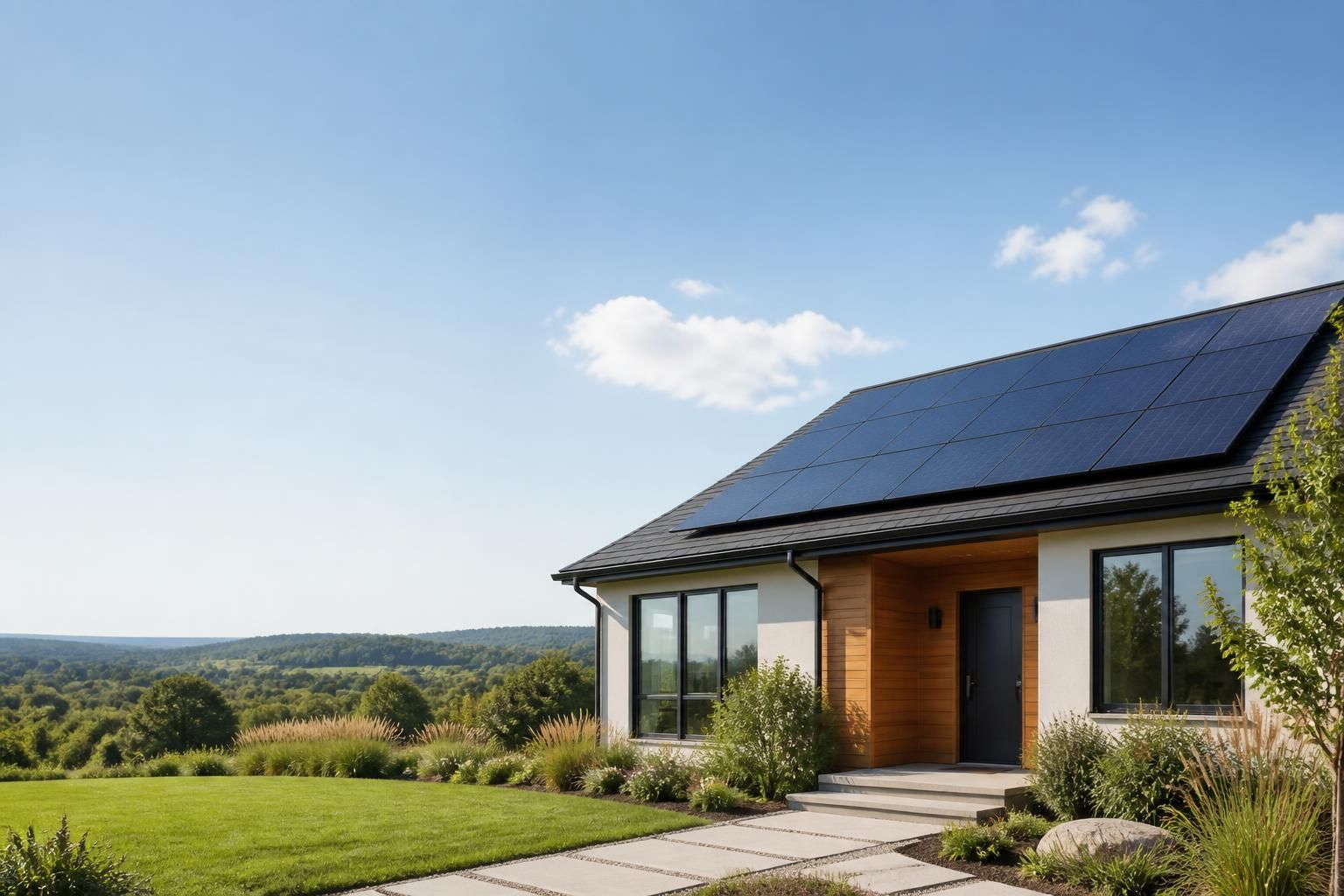
If your home has solar, you may still wonder what happens when the sun goes down or the grid goes quiet. A battery storage system can help keep stored energy ready for later use, giving you more control over when your home uses the power you generate.
For homeowners across Orlando, Florida, The American Solar Association helps evaluate battery storage solutions that match the home, the solar setup, and the way your household uses electricity. We guide you through options, system design, installation, monitoring, and activation so you can decide whether storage fits your goals.
Stored power, simpler choices
Battery storage gives homeowners a way to hold onto excess solar energy for later use instead of sending every extra watt to the utility. That can matter when you want more resilience, more flexibility, or a clearer path toward using solar on your own terms.
Not every home needs the same storage setup. Some households want backup power support for important circuits. Others want to store more of what their panels produce during the day. The right answer depends on your roof space, solar production, usage habits, and the electrical layout of your home.
What storage can do
- Store extra solar production for later household use
- Support selected loads during power interruptions
- Help reduce reliance on utility power at certain times
- Improve how solar energy is used across the day and night
- Work with system monitoring so you can see energy movement more clearly
When storage makes sense
Battery storage is worth a closer look when your home already uses solar or when you are planning a solar project and want more flexibility from the start. It can also be useful if you want to understand how much of your home’s energy can come from solar generation rather than the grid.
The American Solar Association helps Orlando homeowners compare the practical side of storage against the home’s electrical demand. We look at how much power your home uses, when it uses it, and how storage may fit into the overall plan.
- Higher evening use
If your household uses more electricity after sunset, stored solar energy may help cover part of that demand.
- Backup goals
If you want stored power available for selected circuits during outages, battery storage can be designed with that goal in mind.
- Solar optimization
If your solar panels often produce more power than your home is using during the day, a battery can help capture some of that surplus.
- Energy planning
If you are weighing incentives, financing structures, or utility program considerations, storage can be reviewed as part of the overall project.
Storage system options
Battery storage is not a one-size-fits-all product. Equipment and system layouts vary based on the home, the existing or planned solar array, and the goals the homeowner wants to reach.
We help you review the available setup choices and understand how each one changes the way your home uses power.
Backup-focused setups
Some systems are arranged to support selected circuits if the utility supply is interrupted. This can help keep key household loads available without powering the entire home.
Solar-plus-storage setups
Other systems are built to work closely with solar production, capturing energy during the day and storing it for later household use.
Monitoring-connected setups
Many homeowners want visibility as well as storage. Monitoring tools can help you see battery charge, solar production, and usage patterns so you can understand how the system is performing.
How we plan it
A useful storage plan starts with the home, not the hardware. The American Solar Association reviews the property and the household’s energy goals before recommending a direction. That keeps the process focused on fit rather than guesswork.
- Consultation
We begin by learning what you want storage to do for your home, whether that is backup support, better solar use, or both.
- Property review
We consider roof space, shading, electrical layout, and the relationship between the home’s usage pattern and solar production.
- System design
We help shape a storage plan that reflects the home’s needs and available equipment options.
- Permitting and installation
Once the plan is set, the project moves through permitting, installation, inspection, and activation.
- Monitoring and support
After activation, we can help homeowners understand how to track the system and interpret what it is doing.
What affects fit
Battery storage decisions usually come down to a few practical factors. A system that works well for one Orlando home may not be the right match for another property a few miles away.
- Household usage - When your home uses the most electricity matters just as much as how much it uses overall.
- Solar production - The size and output of the solar array affect how much extra energy may be available for storage.
- Available space - Battery placement and system layout need to make sense for the property.
- Electrical goals - Some homeowners want support for specific loads, while others want broader energy flexibility.
- Utility considerations - Rate structures, program rules, and other utility factors can affect how storage performs economically.
Orlando homes
Homeowners across Orlando, Florida often start with the same question: is battery storage worth adding to a solar project or to an existing solar system? The answer depends on how the home uses power and what the homeowner wants from the system over time.
Some homes need a storage plan that supports day-to-night energy use. Others want a system that offers greater resilience and a clearer sense of control during utility interruptions. The American Solar Association works with homeowners throughout Orlando and surrounding Central Florida communities to compare those choices before a project moves forward.
We also serve nearby communities such as Winter Park, Kissimmee, Sanford, Altamonte Springs, Apopka, Lake Mary, Oviedo, Clermont, Ocoee, Winter Springs, St. Cloud, and Winter Garden.
System education
Battery storage works best when homeowners understand how the pieces relate to each other. Solar panels produce electricity. The battery stores some of that energy for later use. The inverter and related equipment help manage the flow. Monitoring helps show what the system is doing across the day.
We explain those pieces in plain language so you can make a confident decision. That includes how the system may behave during different usage patterns, what storage can and cannot do, and how the overall setup supports your goals.
Good questions to ask
- How much energy should be stored for later use?
- Which household loads matter most during power interruptions?
- How does storage interact with my existing solar setup?
- What monitoring features will help me track performance?
- How do utility programs affect the overall plan?
Common questions
How does a battery help a solar home?
A battery lets a solar home store excess energy generated during the day so it can be used later, instead of relying only on immediate solar production or utility power.
Can storage work with an existing solar system?
Often, yes. The right solution depends on the equipment already installed, the electrical setup, and whether the home can support the planned configuration.
Do all homes need the same battery size?
No. Battery size should reflect the home’s energy use, the amount of solar production available, and the homeowner’s goals for backup or daily energy use.
What happens during planning?
Planning usually starts with a consultation and property review. From there, we look at system design, equipment options, and how the project may move through permitting and installation.
Can monitoring show how the battery is being used?
Yes. Monitoring can show charge levels, energy movement, and other details that help homeowners understand how storage supports the home.
Why does utility context matter?
Utility programs, rate structures, and other program details can affect how storage fits into a home’s overall energy strategy and whether it meets the homeowner’s goals.
Start your review
If you are considering battery storage solutions for a home in Orlando, Florida, The American Solar Association can help you sort through the options and decide whether storage makes sense for your property. We work with homeowners who want a practical plan, clear explanations, and a system that reflects real household needs.
Call +14075057355 to discuss your home, your solar goals, and the battery storage options that may fit your property.
 Google Reviews