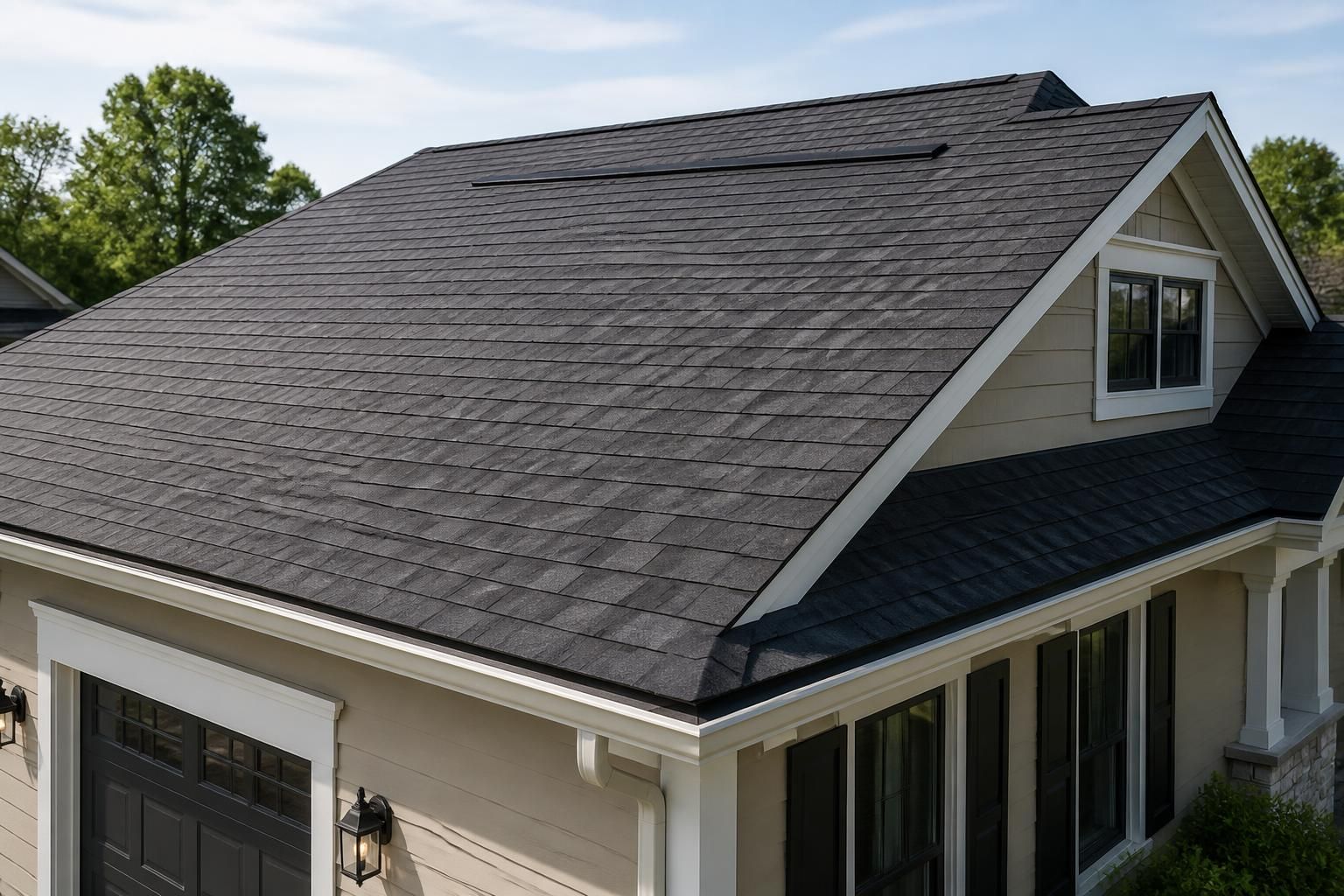
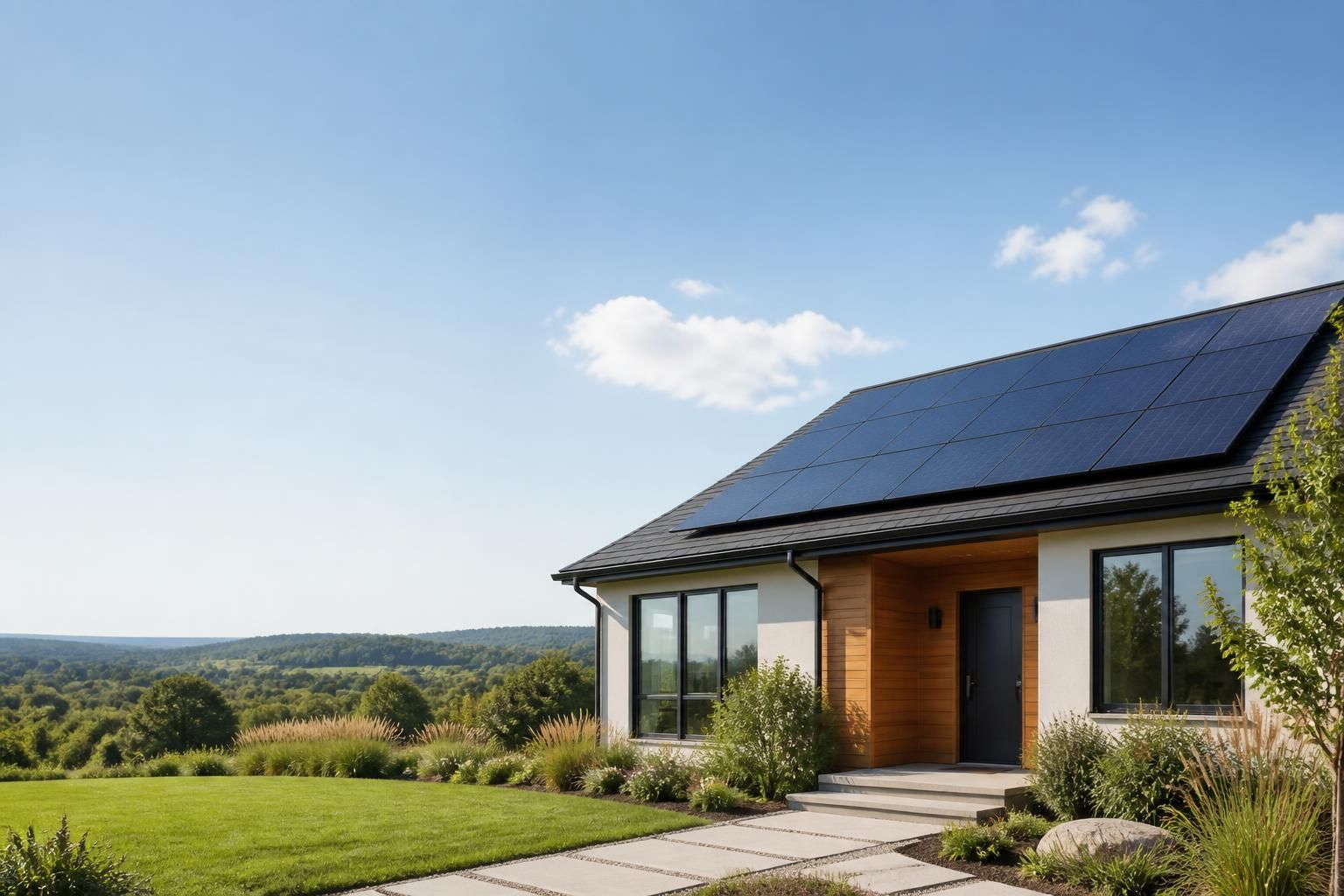
If you are thinking about solar for your home, the roof is usually the first place to look. Many homeowners want to know whether their roof can support panels, how much usable space they have, and whether shade, layout, or roof condition will affect the project.
The American Solar Association helps homeowners across Orlando, Florida review those details before moving forward. A roof solar assessment gives you a clearer picture of what your property can support, what options may fit your energy goals, and what should be considered before solar panel installation or battery storage planning begins.
What we review
A roof solar assessment focuses on the parts of the property that matter most for a residential solar system. We look at the roof with solar design and installation needs in mind, so you can understand whether the site is a good match for your goals.
During a roof solar assessment, we may review:
- Roof space for panel placement and system sizing
- Roof shape and layout to identify usable sections
- Shading factors that can affect production
- Roof surface condition and suitability for mounting
- Orientation and slope for solar exposure
- Ground-mounted possibilities when rooftop space is limited
- Battery storage considerations for homeowners comparing backup options
We use that information to help you understand the practical side of going solar before you commit to a design path.
Signs your roof needs review
Some homeowners already know they want solar. Others are still trying to decide whether their property is ready. A roof solar assessment is a smart next step when the answers are not obvious from the outside.
- You are unsure how much solar your roof can support. A quick look from the ground rarely shows the full usable area.
- You have roof features that may limit placement. Vents, valleys, skylights, and other details can change the layout.
- You want to compare rooftop and ground-mounted options. Different properties call for different system approaches.
- You are considering battery backup. Storage goals can influence equipment selection and system design.
- You want better energy planning. A review can help connect your household usage with a potential system size.
For many Orlando homeowners, this step turns a general idea into a real plan. It can show whether solar is a fit now, or whether another configuration would make more sense.
How the assessment works
The American Solar Association uses a straightforward process that helps homeowners understand their property before design decisions are made. We focus on the details that affect installation, performance, and long-term planning.
Site review
We start by evaluating the roof and the property layout. This includes the available surfaces, the amount of direct sun exposure, and any features that may affect panel placement or wiring paths.
System fit
Next, we look at how a solar system could match the home’s energy use and the homeowner’s goals. Some homeowners want to reduce dependence on utility power. Others want storage for outage resilience. Some want a mix of both.
Design direction
We then help identify the kind of system approach that may fit the home. That can include solar panel installation, battery storage solutions, rooftop placement, or a ground-mounted setup when the property allows it.
This process is meant to give you a clear starting point, not a rushed answer. A useful assessment should make the next steps easier to understand.
Roof factors that matter
Not every roof is evaluated the same way. Solar planning works best when the roof is considered as a set of practical details rather than a single yes-or-no decision.
Space and layout
Panels need enough workable area to meet the system goals. Roof sections may vary in shape and availability, so placement matters just as much as total size.
Shade and sun exposure
Even partial shading can change how a solar system is designed. During a roof solar assessment, we look at how shade patterns may affect production and what that means for system layout.
Roof condition
A roof should be reviewed before solar installation so the homeowner understands whether the surface is a good match for the project. If a roof has limited life left or lacks the right layout, that may affect timing or design choices.
Electrical and storage planning
Solar panels are only one part of the picture. Inverter placement, monitoring options, and battery storage goals all connect back to how the roof and property are set up.
Solar options after review
Once the roof assessment is complete, we can help you talk through the solar paths that may fit the property. The right solution depends on the home, the energy use, and the homeowner’s priorities.
- Solar panel installation for homeowners who want to generate more of their own electricity
- Battery storage solutions for greater energy resilience and stored solar power
- Solar monitoring services to track system performance after activation
- Energy savings consultation to compare solar goals with household usage
- Solar system design tailored to roof space, shading, and equipment choices
- Roof solar assessment for a clearer plan before design and permitting
Some homes are a strong fit for rooftop panels. Others may be better suited to a different system layout. The assessment helps sort out those choices before the project moves ahead.
What Orlando homeowners ask
Homeowners across Orlando, Florida often want more than a simple solar pitch. They want practical answers about their roof, their energy use, and whether the numbers and layout make sense.
Common questions often include:
- How much of the roof can actually be used for solar?
- Will shading affect the system design?
- Should the system go on the roof or on the ground?
- Would battery storage add value for the household?
- How does the roof assessment connect to permitting and installation?
- What happens after the system is activated?
We walk through those topics so homeowners can make decisions with more confidence and fewer assumptions.
Why home-specific planning matters
Solar works best when the plan fits the property. A one-size-fits-all setup rarely gives homeowners the clarity they want, especially when roof layout, energy usage, and storage goals all need to line up.
A customized roof solar assessment can help you:
- Understand whether solar makes sense for your home
- See how the roof affects system size and placement
- Compare rooftop and ground-mounted possibilities
- Plan around battery backup or energy storage goals
- Get oriented before permitting, installation, and activation
The American Solar Association takes that approach for Orlando homeowners and surrounding Central Florida communities. We focus on the details that shape the project, so the next step feels clearer.
Common questions
What is a roof solar assessment?
It is a review of the roof and property to see whether a home is a good match for solar panel installation, storage planning, or another residential solar setup.
Why should I request one before solar installation?
It helps identify roof space, shade, layout, and other factors that can affect system design before you move into the installation process.
Can a roof assessment help if I want battery storage?
Yes. Storage goals can influence solar design, equipment choices, and how the system is arranged on the property.
Do I need a large roof for solar?
Not always. The usable space, shape, shade, and household energy needs all matter when evaluating a property.
Can a ground-mounted system be an option?
It may be, depending on the property. Some homes have limited roof space or a layout that makes ground-mounted solar worth considering.
What happens after the assessment?
We can help you review possible system design options, permitting considerations, installation steps, monitoring, and activation planning based on the property.
Start your review
If you want a clearer answer about your home’s solar potential, a roof solar assessment is a practical place to begin. The American Solar Association helps Orlando homeowners evaluate roof fit, compare options, and understand what a residential solar project may look like for their property.
Whether you are early in the research stage or ready to talk about design, installation, and storage, we can help you move from uncertainty to a clearer plan for your home.
 Google Reviews