If your solar system seems to be producing less than expected, the problem may not be obvious from the roof. A small drop in output, a missed alert, or a battery that is not charging the way it should can quietly affect your savings and your backup power readiness.
The American Solar Association helps homeowners throughout Orlando, Florida review solar monitoring data, understand what their system is telling them, and decide what needs attention. We make it easier to see whether your panels, inverter, battery storage, or overall energy use are matching the goals you had when the system was installed.
What monitoring shows
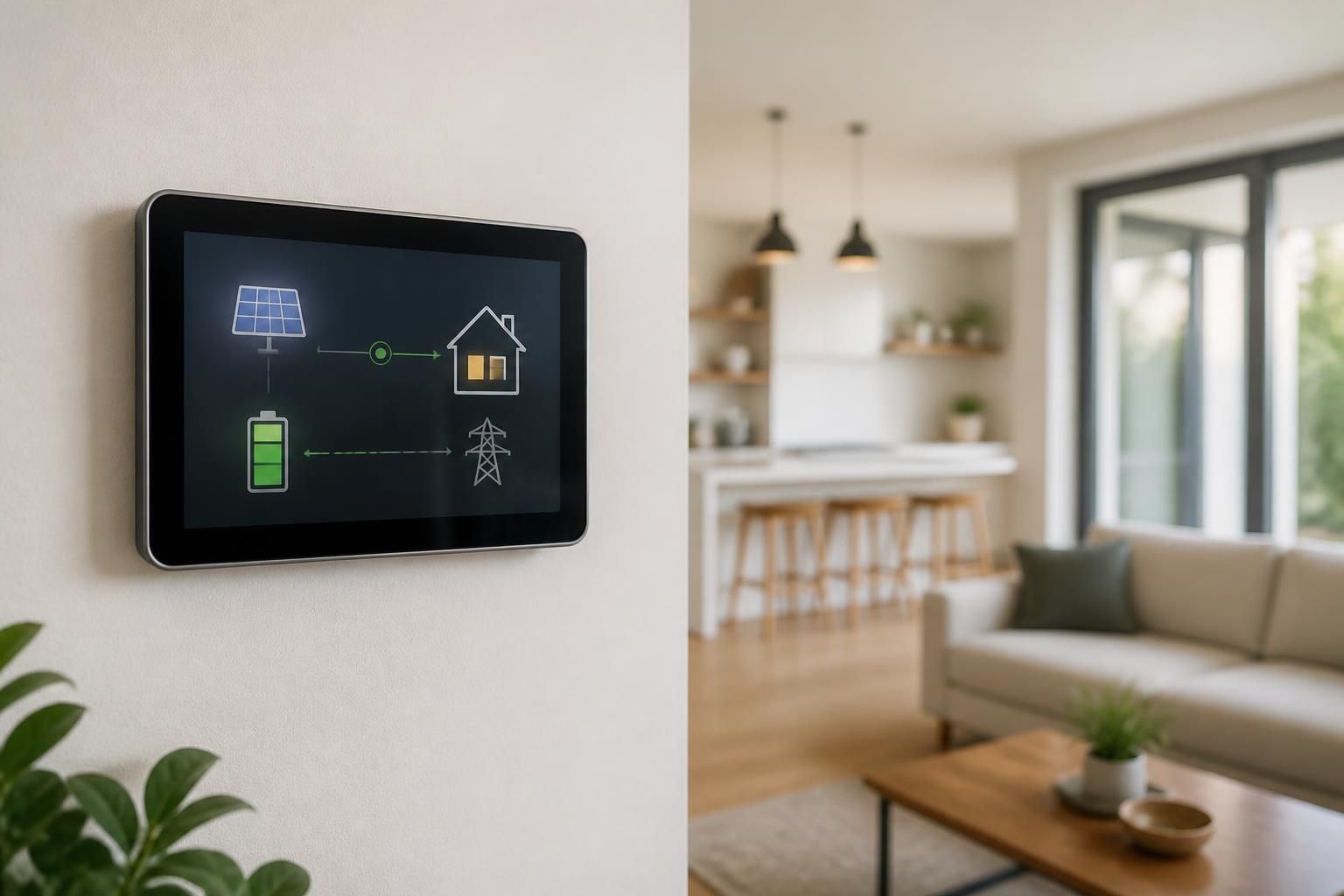
Solar monitoring turns system activity into practical information you can use. Instead of guessing whether your panels are producing enough energy, you can review data that shows how your system is performing across the day and over time.
For many Orlando homeowners, monitoring is the clearest way to answer questions like whether production has dipped, whether a battery is storing power as expected, or whether an inverter message needs a closer look. When you understand the numbers, you can make better choices about your home energy use and your solar setup.
Common data points
- Energy production: How much power your solar array is generating.
- Energy usage: How much electricity your home is drawing.
- Battery activity: When stored energy is charging, holding, or being used.
- System alerts: Notices that may point to a drop in output or a device issue.
- Performance trends: Patterns that show whether the system is keeping pace with expectations.
Signs to review
Homeowners often reach out after noticing a lower electric bill savings estimate, a system notification, or a change in how their battery behaves. Those signs do not always point to a major issue, but they do deserve attention.
- Lower production than expected: If your system has been generating less energy over time, monitoring data can help show when the change started.
- Frequent alerts: Repeated messages from your monitoring platform may point to a communication issue, inverter concern, or another system component that needs review.
- Battery behavior changes: If stored power is not lasting as long as expected, monitoring can help identify whether the battery is charging and discharging the way it should.
- Different results by season or usage: A change in household electricity use can make system output feel different even when the solar array is doing its job.
With The American Solar Association, we help you read those signs with context, so you are not left guessing what a drop or alert really means.
How we help
Solar monitoring services are more useful when the information is explained clearly. We review the system data with you, then connect it to the parts of your home energy setup that matter most.
System review
We look at what the monitoring platform is showing and compare that information with your system goals, usage patterns, and equipment setup. That can include solar production, battery storage activity, and overall home energy demand.
Issue spotting
If something looks off, we help identify whether the concern is related to generation, storage, communication, or another part of the system. The goal is to narrow down what deserves attention without creating unnecessary worry.
Next-step guidance
Once the data is clear, we walk you through what to watch next and what actions may make sense for your property. That may involve further system evaluation, discussing equipment options, or understanding how your home uses power through the day.
Orlando monitoring needs
Solar monitoring matters for homeowners across Orlando, Florida because every property uses electricity a little differently. Roof size, shading, household habits, utility rates, and battery setup can all influence how your system should perform.
A monitoring review can be especially helpful if you want to know whether your system is matching the expectations set during design and installation. It can also help when you are comparing how much energy your home uses versus how much your system is producing. For homeowners who want more independence from utility power, that visibility is valuable.
The American Solar Association works with residential systems across Orlando and surrounding Central Florida communities, helping homeowners understand whether their solar and storage setup is producing the value they expected.
What affects output
Solar output is not determined by one factor alone. Monitoring helps connect the dots between the equipment, the home, and the way electricity is used throughout the day.
- Roof layout: The available space and orientation can influence how much energy the array produces.
- Shading: Even limited shading can change system performance at certain times of day.
- Household usage: Running more appliances at once can make production appear lower relative to demand.
- Inverter activity: Since inverters convert solar power for home use, their status matters for the full system picture.
- Battery settings: Charge and discharge behavior can affect how much solar energy is used immediately versus stored for later.
Monitoring gives these factors context, which helps homeowners make smarter decisions about energy use and system planning.
Battery and storage
Monitoring is especially useful for homeowners with battery backup or energy storage. A battery can help store excess solar production, but only if the system is communicating and operating the way it should.
We help you look at whether the battery is charging during productive solar periods, whether stored energy is being reserved the way you want, and whether the system is delivering power during outages or peak usage times as expected. If your goal is resilience and greater control over home energy, storage monitoring is a key part of that picture.
What to watch
- Charge levels: How much energy the battery is holding.
- Discharge patterns: When stored energy is being used by the home.
- Communication status: Whether the battery is reporting data to the monitoring platform.
- Performance changes: Shifts that may show the battery is not matching earlier behavior.
Consultation process
When you contact us about monitoring, we start by learning what you are seeing and what question you want answered. That might be a production dip, a battery concern, or a need for a clearer view of your home energy data.
- Initial discussion: You share what your monitoring platform is showing and what seems different.
- Data review: We examine the system information and look for patterns worth attention.
- Context check: We compare the monitoring data with the property setup, energy use, and system configuration.
- Action path: We explain what the numbers suggest and what the next practical step may be.
This process helps Orlando homeowners move from uncertainty to a clearer understanding of their solar investment.
Common questions
How do I know if my system is underperforming?
Look for a pattern of lower-than-expected output, repeated monitoring alerts, or results that no longer match the system’s normal behavior. A single short-term drop may have a simple explanation, but longer trends deserve a closer look.
Can monitoring help with battery backup concerns?
Yes. Monitoring can show whether a battery is charging, storing, and discharging as expected. It can also help explain why the battery may not be providing the level of support you want.
What if my monitoring app shows an alert?
An alert is a signal to review the system rather than a reason to guess. We help interpret what the alert means and whether it points to a communication issue, production concern, or another system factor.
Does usage inside my home affect solar results?
Yes. If your household is using more electricity at certain times, the relationship between solar production and home demand can change. Monitoring helps you see that relationship clearly.
Can monitoring help after installation?
Absolutely. Monitoring is useful after installation because it shows how the system is operating once it is active and tied to your daily energy use. It can also help you spot changes over time.
Do you help homeowners beyond Orlando?
Yes. We serve Orlando and surrounding Central Florida communities, including Winter Park, Kissimmee, Sanford, Altamonte Springs, Apopka, Lake Mary, Oviedo, Clermont, Ocoee, Winter Springs, St. Cloud, and Winter Garden.
Start the review
If your solar data feels confusing or your output does not look right, a monitoring review can bring the system back into focus. The American Solar Association helps Orlando homeowners understand what their solar and storage system is doing, what has changed, and what may need attention next.
Call +14075057355 to discuss your monitoring questions and learn whether your residential solar system is matching your goals.
Hours: Monday through Thursday, 8:00 AM to 6:00 PM; Friday, 8:00 AM to 3:00 PM.
 Google Reviews